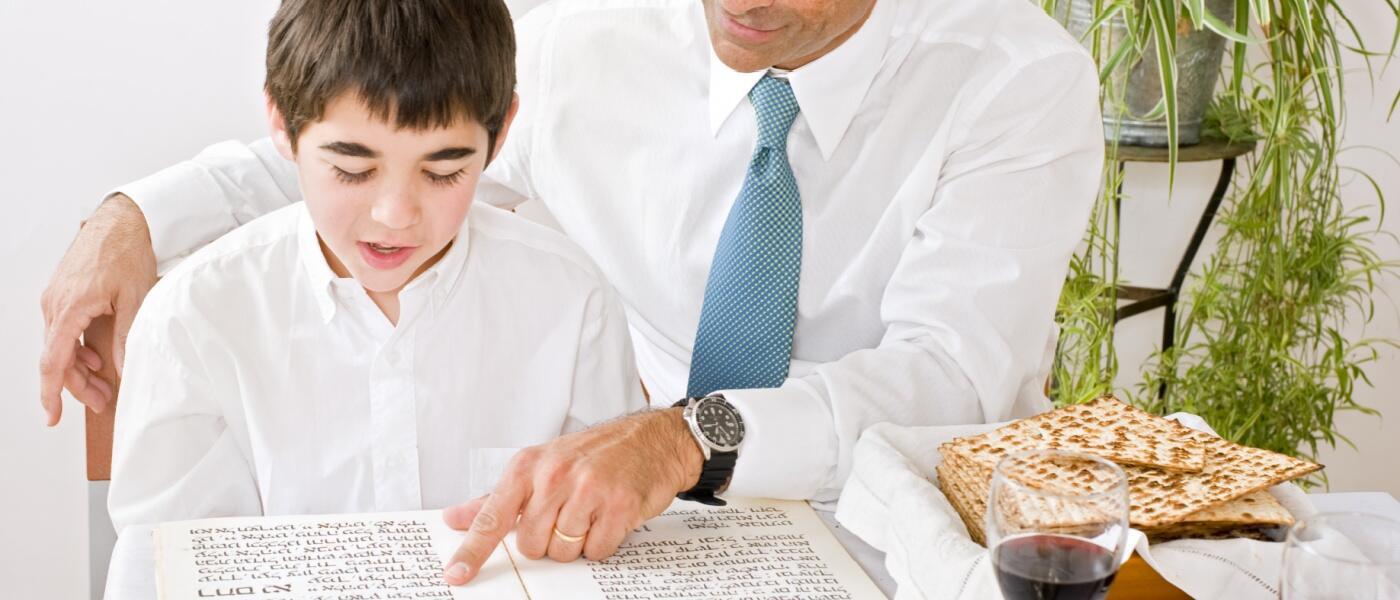
On every other night, we remember our vulnerability. On Seder night, we are given a different instruction: to relive freedom.
Omri Gal Kornblum
Omri Gal Kornblum
If there is one idea that defines Jewish life, it is memory. Not abstractly, but insistently - something we are told to do, again and again, and that has become a major part of our Jewish identities.
For much of the year, that memory is heavy. It is shaped by the Holocaust, by antisemitism, by a sense that Jewish existence is still vulnerable. JPR’s 2022 report, Jews in the UK today, captures this clearly. When asked what matters most to their Jewish identity, remembering the Holocaust was the top answer given by British Jews, with 71% saying it is very important, and a further 24% saying it is fairly important. “Combating antisemitism” wasn’t far behind in its importance.
This is not difficult to understand. Holocaust memory is not confined to a single day. It is embedded in education, in public discourse, in family stories. It is reinforced by contemporary experience - by rising antisemitism, by politics, by global events. For many Jews, “remembering the Holocaust” is present, in different ways, all the time.
And then comes Pesach.
On Seder night, we are given a different instruction. Not to remember destruction, but to remember liberation. Not to dwell on vulnerability, but to relive freedom.
The Haggadah does not simply tell us to recall the Exodus. It demands something more radical: “In every generation, a person is obligated to see themselves as if they came out of Egypt”. This is not history at a distance. We are asked to step into the story - to experience, however symbolically, the movement from slavery to freedom, and from tribes to a nation.
That contrast matters.
For much of the year, Jewish memory is oriented around what has been done to us. The Holocaust looms large, as do the echoes of antisemitism in the present. These are essential parts of Jewish consciousness. They shape how Jews understand the world and their place within it.
But on seder night, the focus shifts. The central story is not one of victimhood, but of transformation. The Israelites are not only enslaved; they are freed. The narrative does not end in darkness, but in redemption. It leaves us not with destroyed Jewish communities, but with the formation of the Jewish People. And it concludes with hope:
“Next year in Jerusalem”.
In this sense, Pesach offers a counterbalance to the dominant tone of Jewish memory. It does not replace the memory of the Holocaust, nor should it. But it places alongside it another foundational narrative, one that leaves us looking into the future rather than the past.
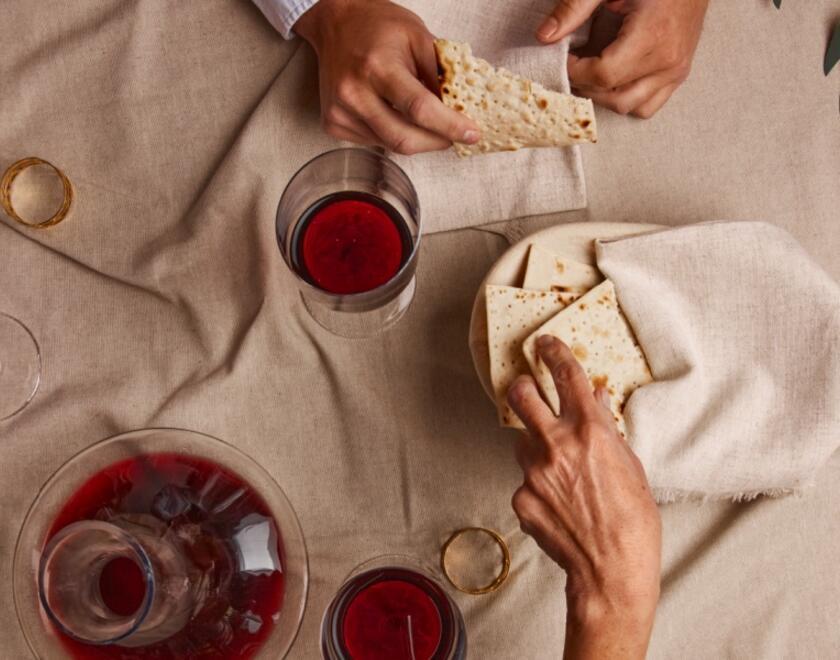
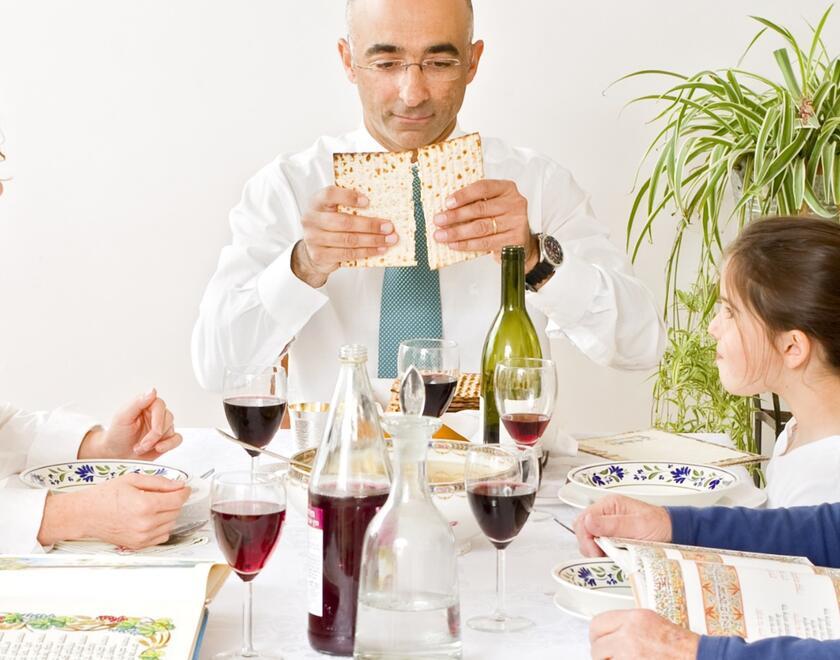
There is also something powerful in the form that this remembering takes. Seder night is not a ceremony observed from a distance. It is interactive: children ask questions, adults answer; the text is interrupted with food and drink; there are games to play and songs to sing together. Memory is not handed down intact; it is worked through, together.
What is striking is how widely this instruction is followed. JPR’S latest data suggest that more than eight in ten British Jews attended a seder dinner last year. No other single moment in the Jewish calendar draws such broad participation. Amid differences in belief, practice, background and circumstances, Jews worldwide gather to retell this story.
The fact that so many Jews attend a seder suggests that this message resonates. Even among those who are otherwise less engaged in religious life, seder night retains its pull. Perhaps this is also because it speaks not only to tradition, but to something deeper – a need to reconnect with a story that affirms agency, continuity and possibility.
In a world where Jewish identity can feel shaped by the weight of history and external threats, Pesach reminds us that our story does not end with vulnerability. It includes it, but it moves beyond it.
Both memories are essential. But they are not the same. And for one night, at least, Judaism tells us to remember what it means to be free.

Director of Communications
Director of Communications
Omri holds a Master’s degree in Political Communication and a Bachelor’s degree in Journalism and International Relations, both from the Hebrew University of Jerusalem. He...
Read more